Alaska's Geothermal Moment Is Now
April 30, 2026. Anchorage, AK. Alaska sits on one of the largest untapped geothermal resource bases in North America, and today, Launch Alaska and New Energy Alaska are releasing a policy brief that makes the case for moving from potential to action.
The answer involves geology, capital, workforce, and — critically — policy. Geothermal Potential in Alaska lays out the barriers and the levers, and makes the case that getting the policy framework right is the necessary first step.
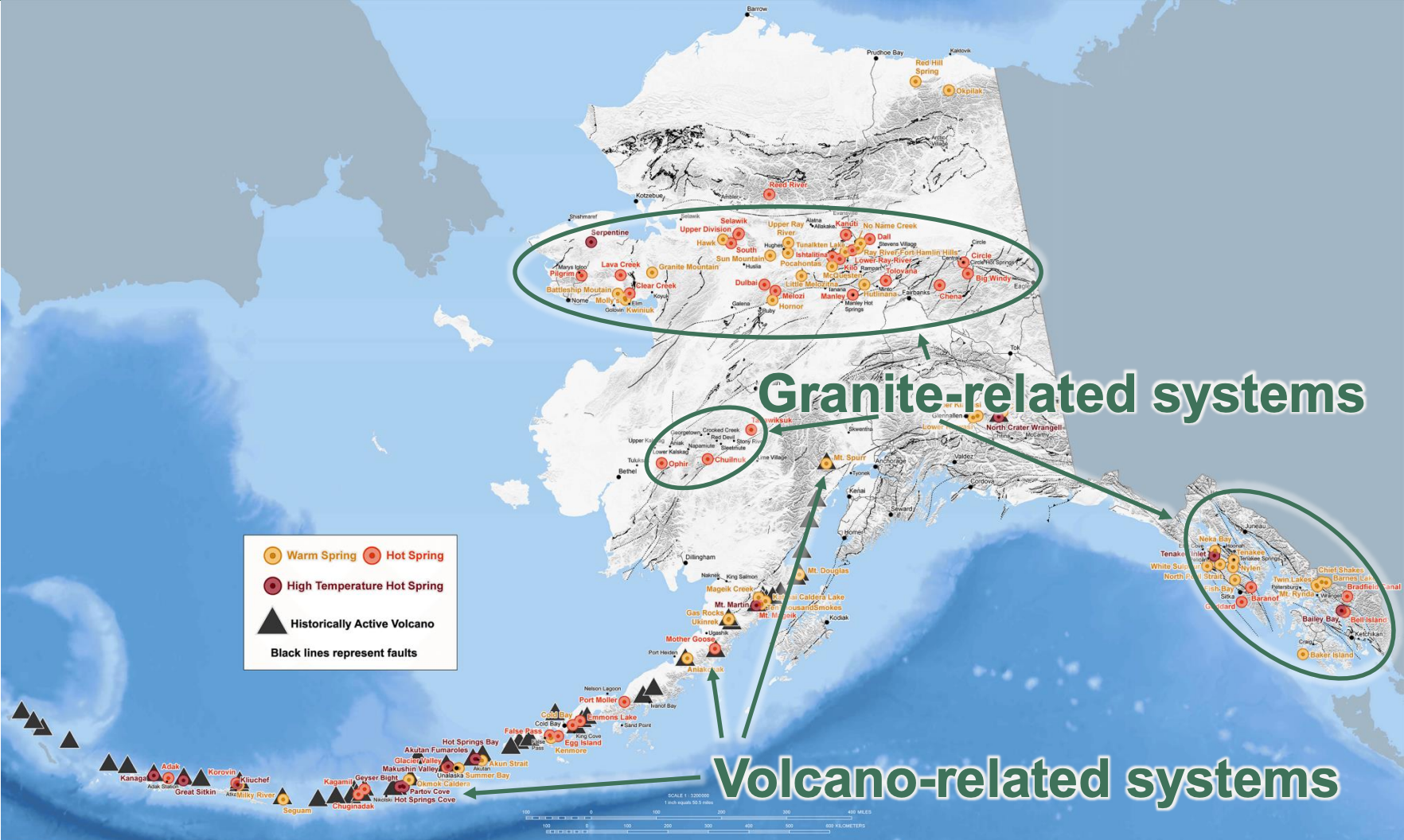
Map of geothermal systems across Alaska. Source: Alaska Department of Natural Resources
The resource case is compelling. A 2023 assessment found that just one percent of Alaska's superhot rock resource could represent roughly 624 gigawatts of generating capacity. Alaska also has an existing oil and gas workforce with skills that translate directly to geothermal drilling and development. But translating that potential into operating projects requires overcoming real obstacles: remote high-temperature sites with enormous logistics costs, the depth and capital requirements of advanced drilling technology, and a regulatory framework that hasn't kept pace with the opportunity.
The brief identifies four areas where policy can move the needle:
1. Legal Certainty — Clarify who owns geothermal resources on public, private, and ANCSA lands, and allow evaluation of orphaned oil and gas wells for potential geothermal conversion.
2. Permitting and Regulatory Efficiency — Pursue state primacy over Class V injection well permitting, designate a dedicated geothermal project coordinator through the Office of Project Management and Permitting, and create exemptions for small and noncommercial uses.
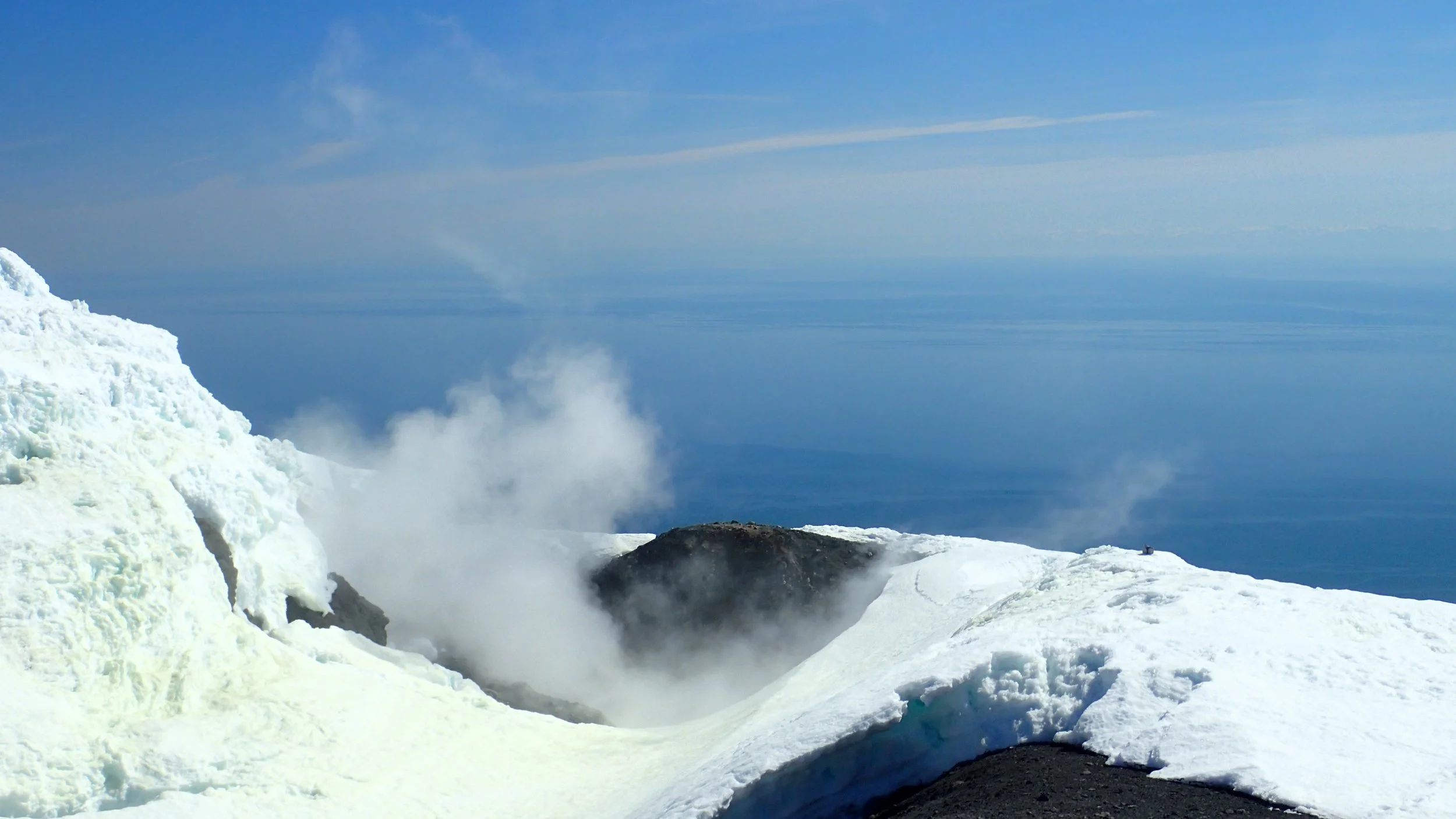
An opening near the summit of Mount Augustine releases steam. Source: Peter Kelly, Alaska Volcano Observatory/U.S. Geological Survey
3. Risk Reduction and Capital Formation — Establish a geothermal risk mitigation program through AIDEA or the Renewable Energy Fund, prioritize Alaska's participation in the DOE's new Geothermal Power Accelerator, and align grant timelines with the realities of rural Alaska's supply chain and construction season.
4. Market Creation and Capacity Building — Build defense partnerships that anchor early demand, extend the State Geothermal Energy Program beyond 2027, support collaboration between the Alaska Energy Authority and tribal independent power producers, and pursue an ARPA-E SUPERHOT demonstration at Mt. Augustine.
Geothermal won't happen overnight, and it won't happen without significant investment and sustained commitment. But Alaska has the geology and the workforce. Getting the policy right is how we keep this opportunity within reach.
Read the full brief here.